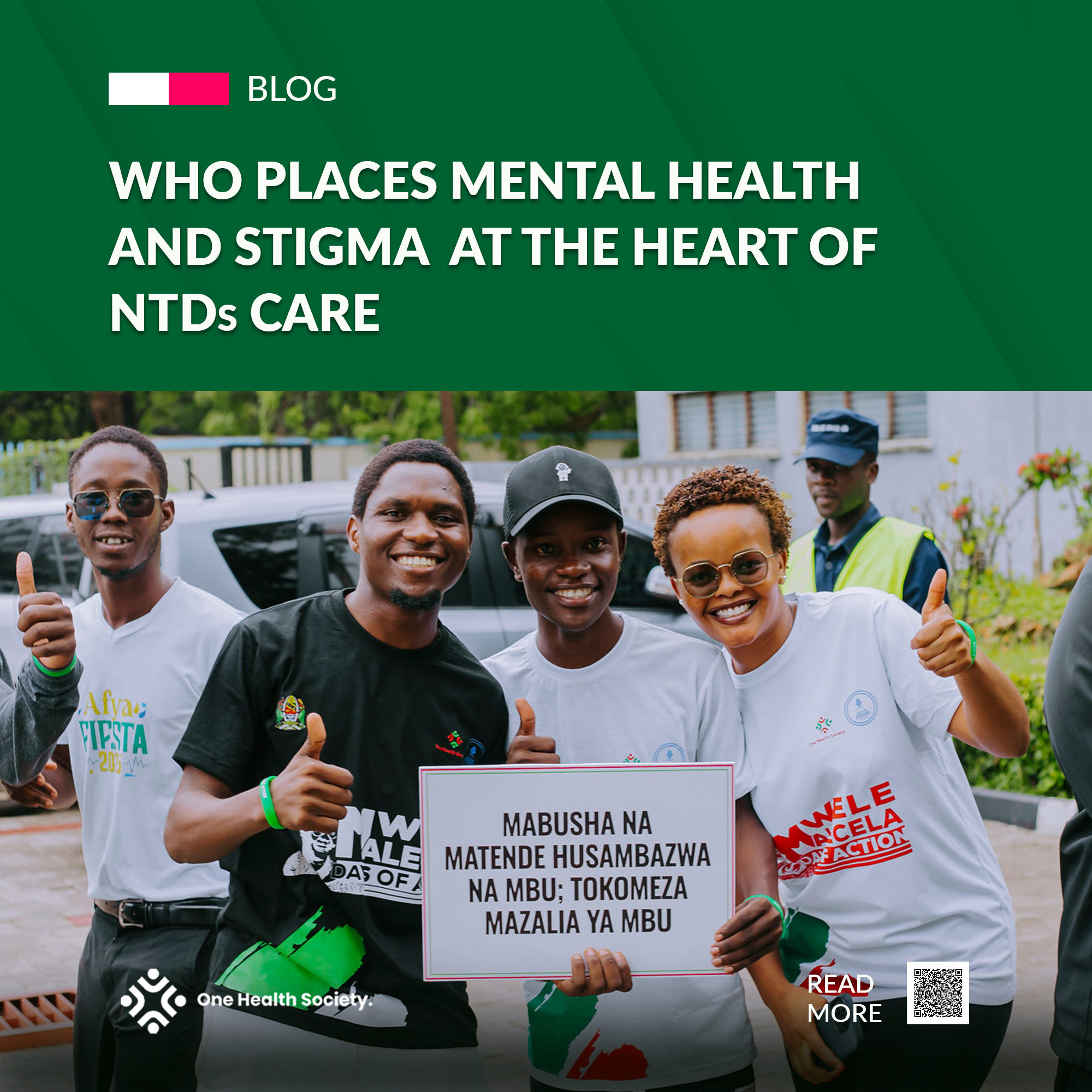
The World Health Organization(WHO) has recently released new global guidance that marks a significant shift in how neglected tropical diseases (NTDs) are addressed, placing mental health and stigma reduction at the core of care for people affected by these conditions. The guidance, Mental health and psychosocial support considerations for people affected by neglected tropical diseases, is available here.
NTDs affect more than one billion people worldwide, many of whom live in contexts shaped by poverty, disability, chronic illness, and limited access to health services. Beyond their physical symptoms, NTDs often carry deep social and psychological consequences. People affected may experience exclusion, discrimination, shame, and loss of dignity—factors that can be just as disabling as the disease itself. The WHO guidance recognizes that these realities have long been under-addressed within NTD programmes and that meaningful progress toward elimination requires a more holistic, people-centred approach.
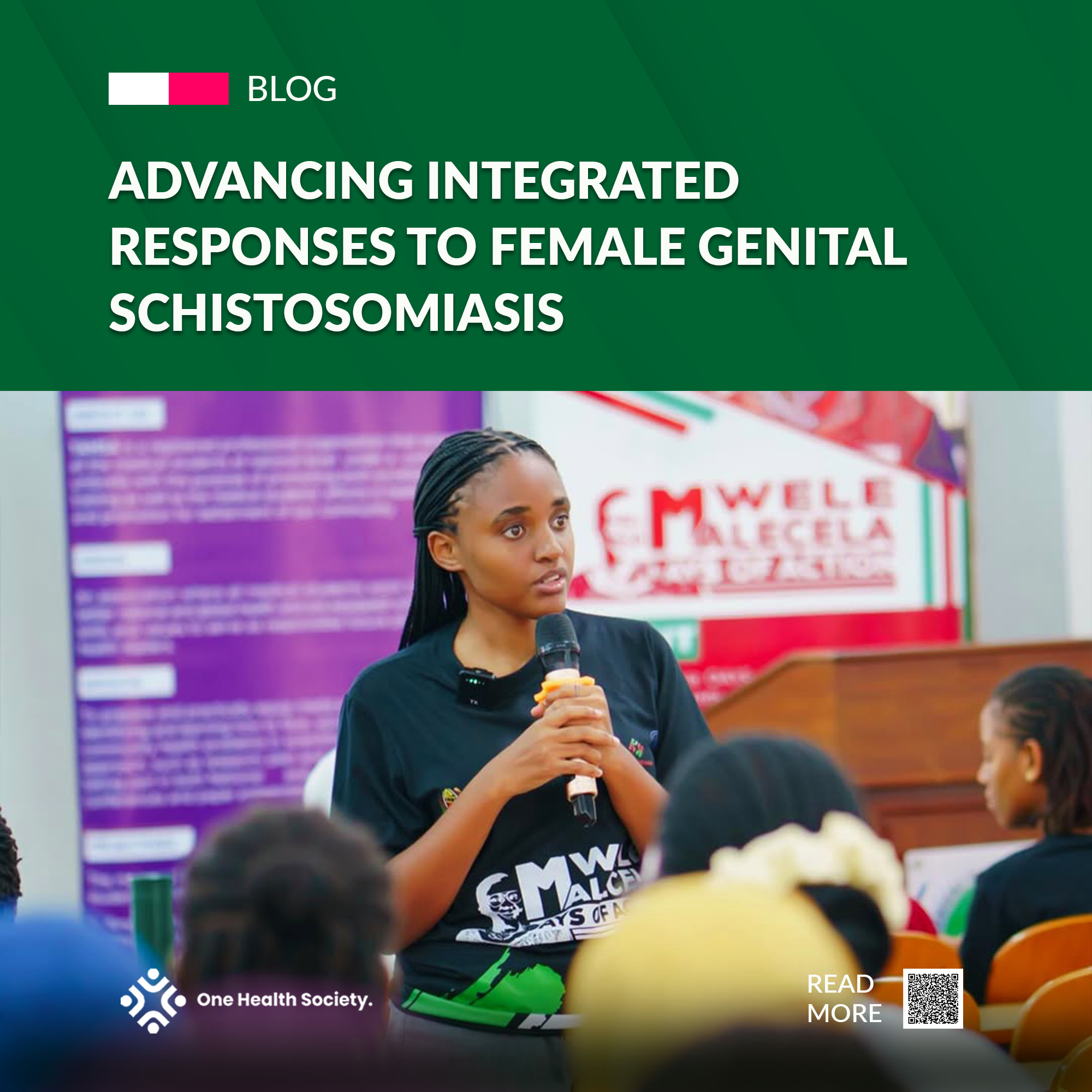
This shift is particularly important for individuals living with NTDs that cause long-term disability or visible impairments, where stigma can be immediate and persistent. It is equally critical for conditions associated with symptoms that affect intimate parts of the body or are socially misunderstood. Female Genital Schistosomiasis (FGS) is one such condition. Caused by chronic schistosomiasis infection, FGS affects millions of women and girls manifesting with symptoms such as abnormal vaginal discharge, pain during intercourse, bleeding between periods and sub/infertility, such symptoms come with anxiety, depression and stigma. FGS also remains widely underdiagnosed and frequently misdiagnosed as a sexually transmitted infection. This misdiagnosis can expose affected women to blame, shame, and social judgment, while also delaying appropriate care.
By explicitly linking mental health, stigma, and NTD service delivery, the WHO guidance validates the lived experiences of people affected by conditions like FGS. It emphasizes that psychological distress, anxiety, depression, and social isolation are not secondary concerns, but are integral to the disease burden. For women and girls with FGS, integrating psychosocial support into sexual and reproductive health and primary healthcare services can help address fear, internalized stigma, and barriers to seeking care—factors that often keep the condition hidden.
The guidance also aligns closely with global commitments to Universal Health Coverage and people-centred health systems. It calls for mental health considerations to be embedded within existing NTD platforms rather than treated as standalone interventions, encouraging collaboration between NTD, mental health, disability, and community-based programmes. This integrated approach strengthens health systems while ensuring that care responds to the full spectrum of needs faced by affected individuals.
Importantly, this document sends a clear message to policy-makers, implementers, and funders: eliminating NTDs is about interrupting transmission, delivering medicines; and restoring dignity, addressing stigma, and supporting the mental well-being of people who have too often been left behind. For conditions like FGS, where silence and misunderstanding have shaped decades of neglect, this guidance offers a timely and necessary framework to move from disease control toward truly comprehensive care.